



On the Visit of an Institute for African Studies (Russian Academy of Sciences) Delegation to Algeria
The delegation from the Institute for African Studies of the Russian Academy of Sciences, which included Senior Research Fellow Dr. Pervin Mamed-zade, Senior Research Fellow Dr. Veronika Usacheva, and Junior Research Fellow Ekaterina Abramova, visited Algiers, the capital of the People's Democratic Republic of Algeria, from November 1 to November 8, 2026.
During the visit, the delegation established mutually beneficial contacts with various Algerian research institutes and organizations focused on assessing the damage caused by colonial powers, preserving historical memory, and countering the distortion of historical events.
Meeting with the Rector of the University of Algiers 2
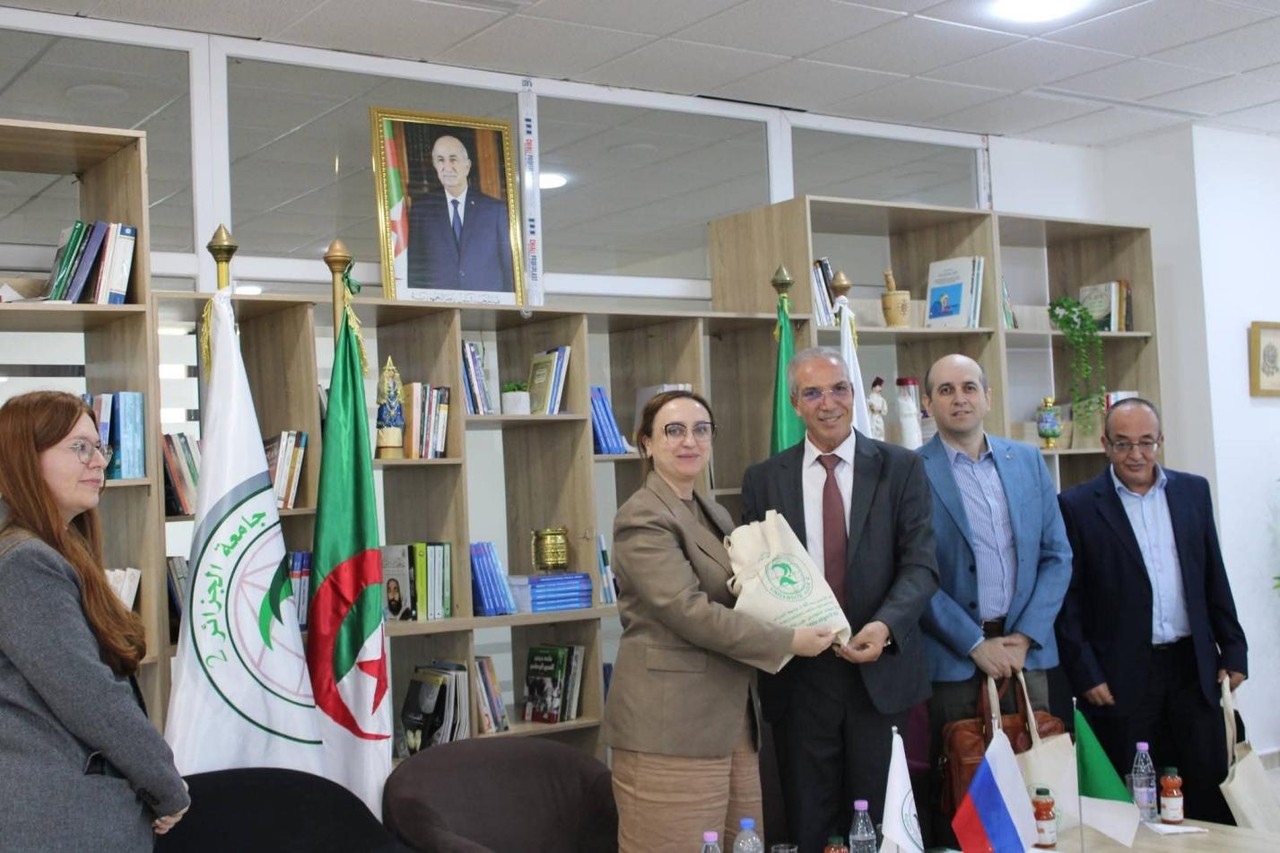
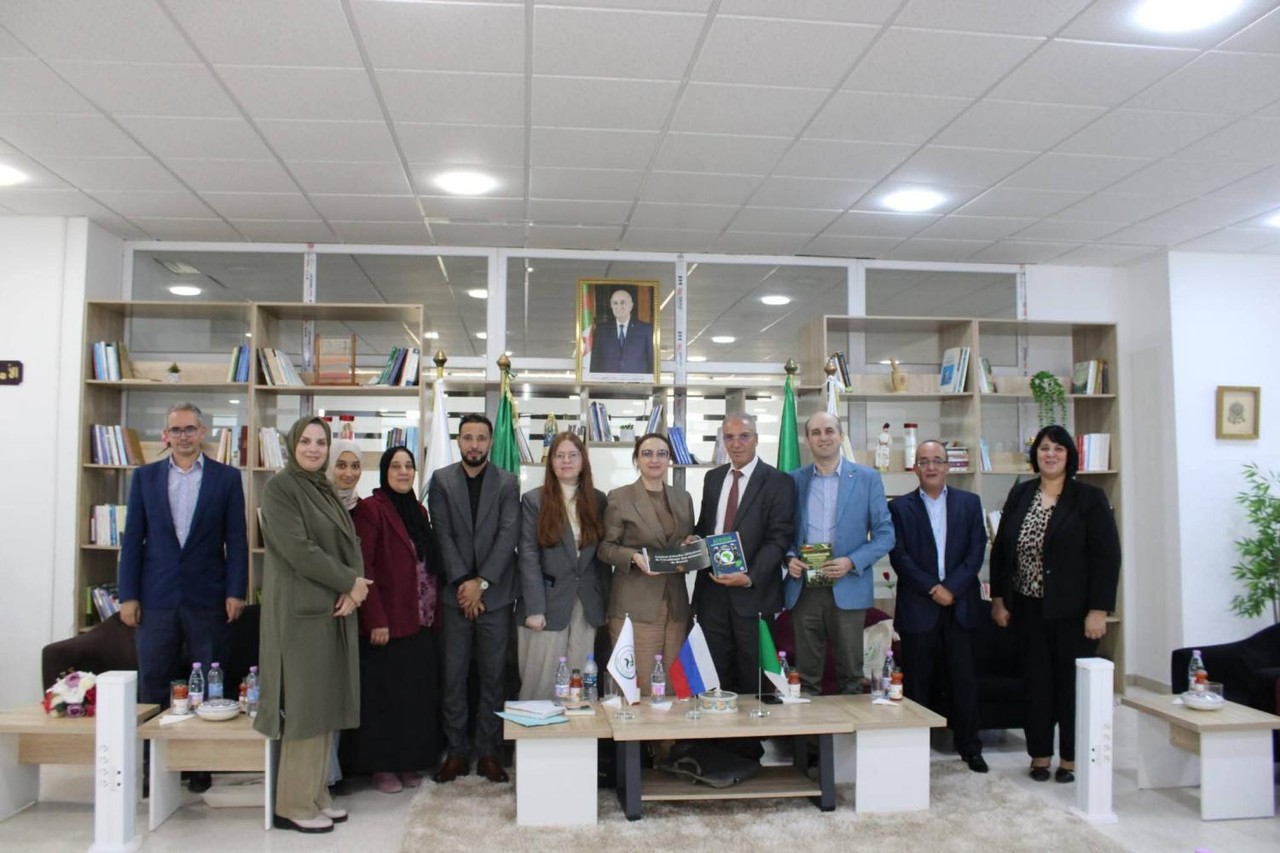
On November 2, a delegation from the Institute for African Studies met with Pr. Said Rahmani, Rector of the University of Algiers 2 with which the Institute signed a Memorandum of Understanding (MOU) in February 2025. The meeting was also attended by Pr. Assia Kassed, Vice-Rector for External Relations and Cooperation, and Pr. Moncef Bakail, Director of the Laboratory for African Studies.
S. Rahmani expressed his gratitude to the Institute for African Studies for its interest in Algerian history and the country’s anti-colonial struggle, which culminated in its independence in 1962.
During the discussion, the participants exchanged views on the prospects for academic, scientific, and cultural cooperation. In particular, S. Rahmani expressed interest in conducting joint research on modern history and publishing collaborative academic journals in several languages. At the conclusion of the meeting, the parties exchanged commemorative gifts, including books and scholarly journals.
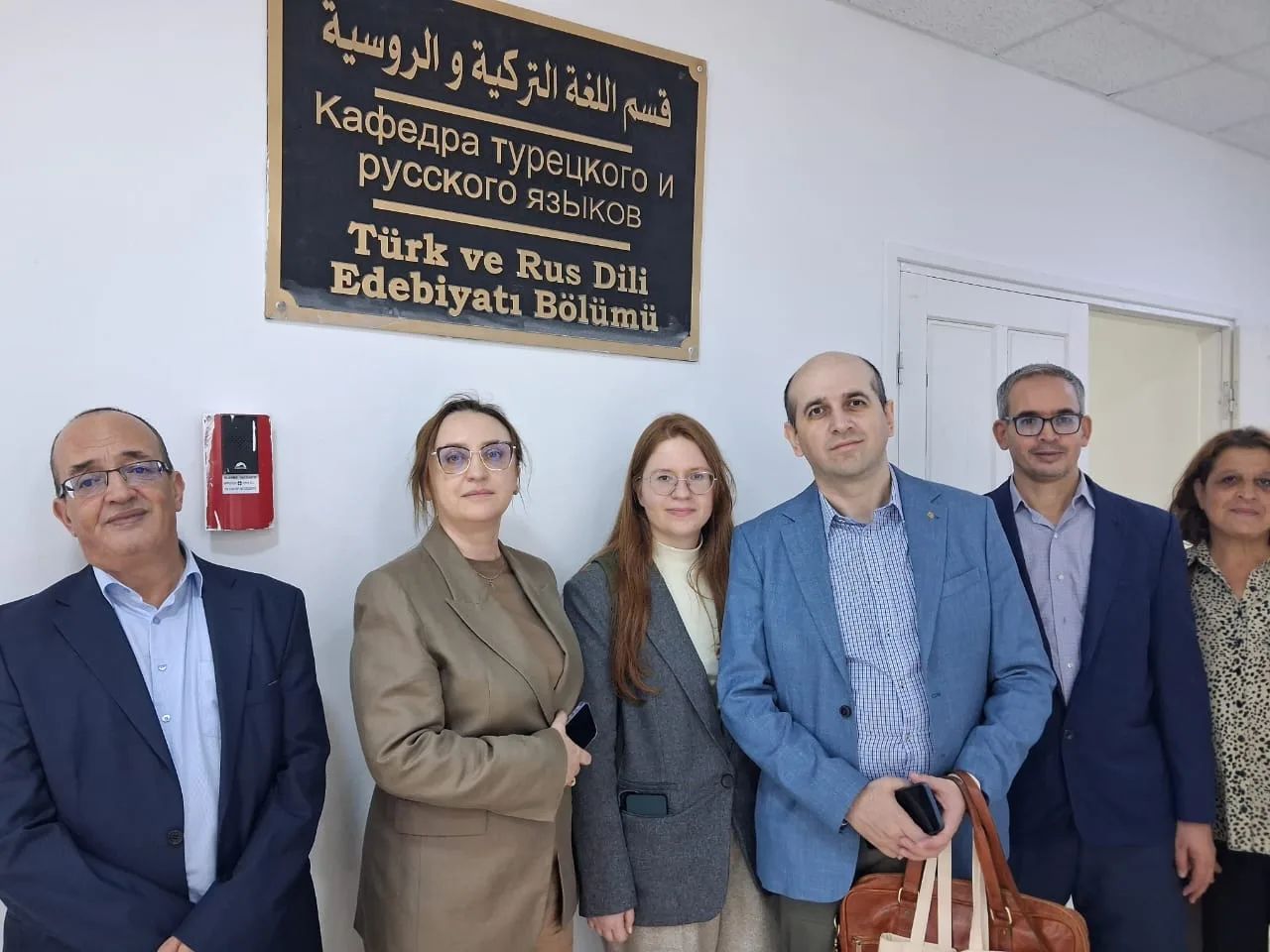
As part of their tour of the university campus, the delegation from the Institute for African Studies visited the Department of Turkish and Russian Languages, where the Russian scholars met with its leadership.
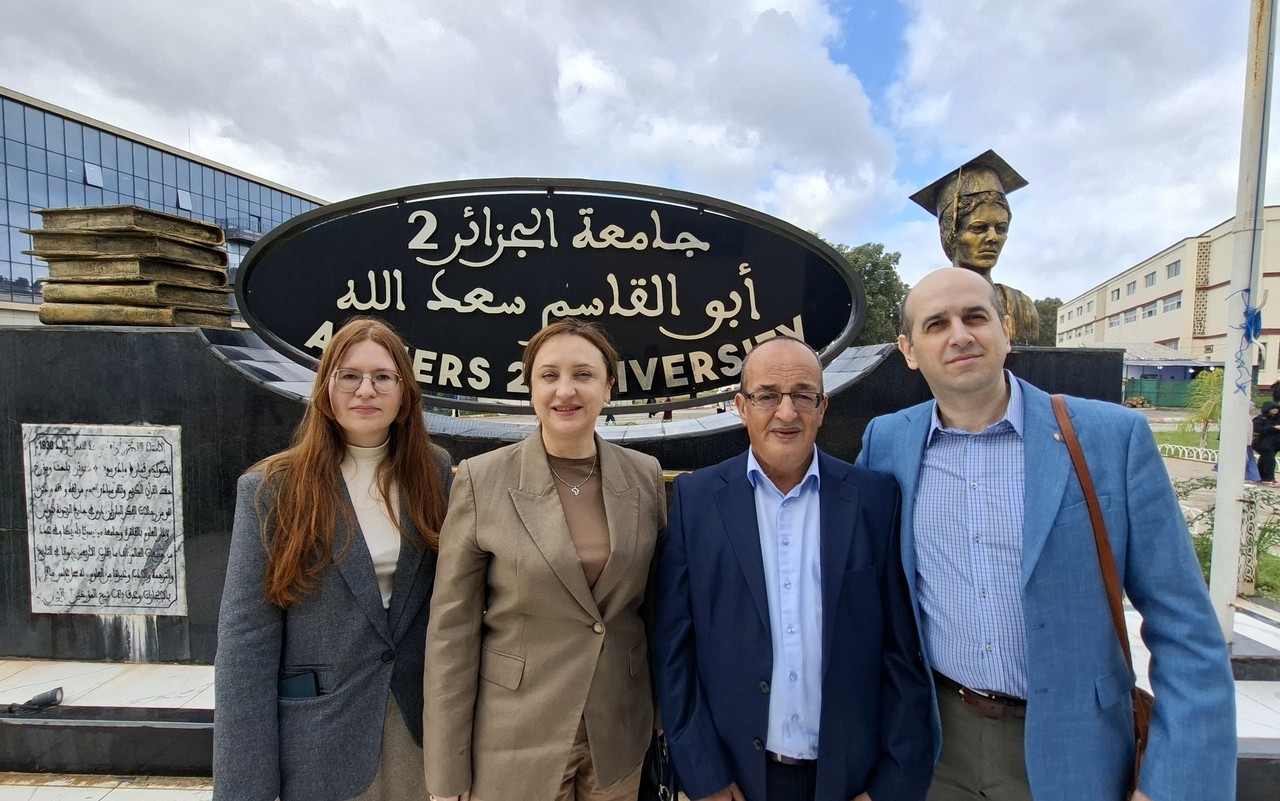
Academic Seminar at the University of Algiers 2
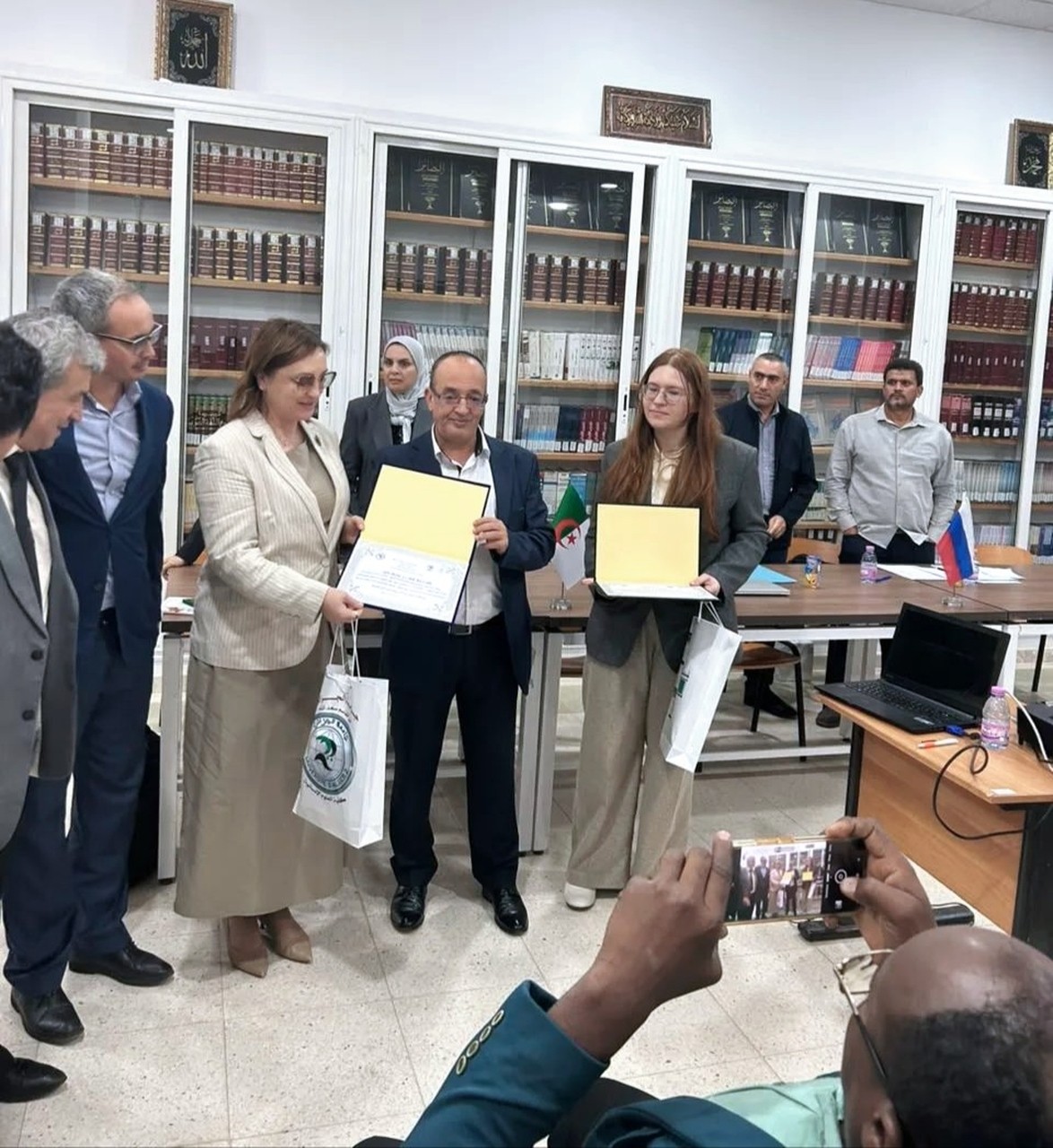
On November 3, the Laboratory for African Studies at the University of Algiers 2 — headed by Pr. M. Bakail — hosted an academic seminar titled «Redressing Historical Injustices: Implementing the Algiers Declaration on the Crimes of Colonialism in Africa». The event brought together representatives from Algeria’s leading academic institutions to discuss the anti-colonial agenda.
Presentations focused on developing a methodology for reconstructing historical events from the colonial era — including the specific challenges of working with archives, photographic records, and the testimonies of participants and eyewitnesses — as well as the legal aspects surrounding the recognition of colonial crimes. The discussion also covered geopolitical issues, Africa’s position within the contemporary system of international relations, and various other pressing topics.
Special attention was given to the issue of addressing the aftermath of nuclear tests conducted by France in the Algerian Sahara during the 1960s. Experts noted that these tests not only resulted in direct casualties among the local population but also caused irreparable damage to the country’s environment and genetic heritage.
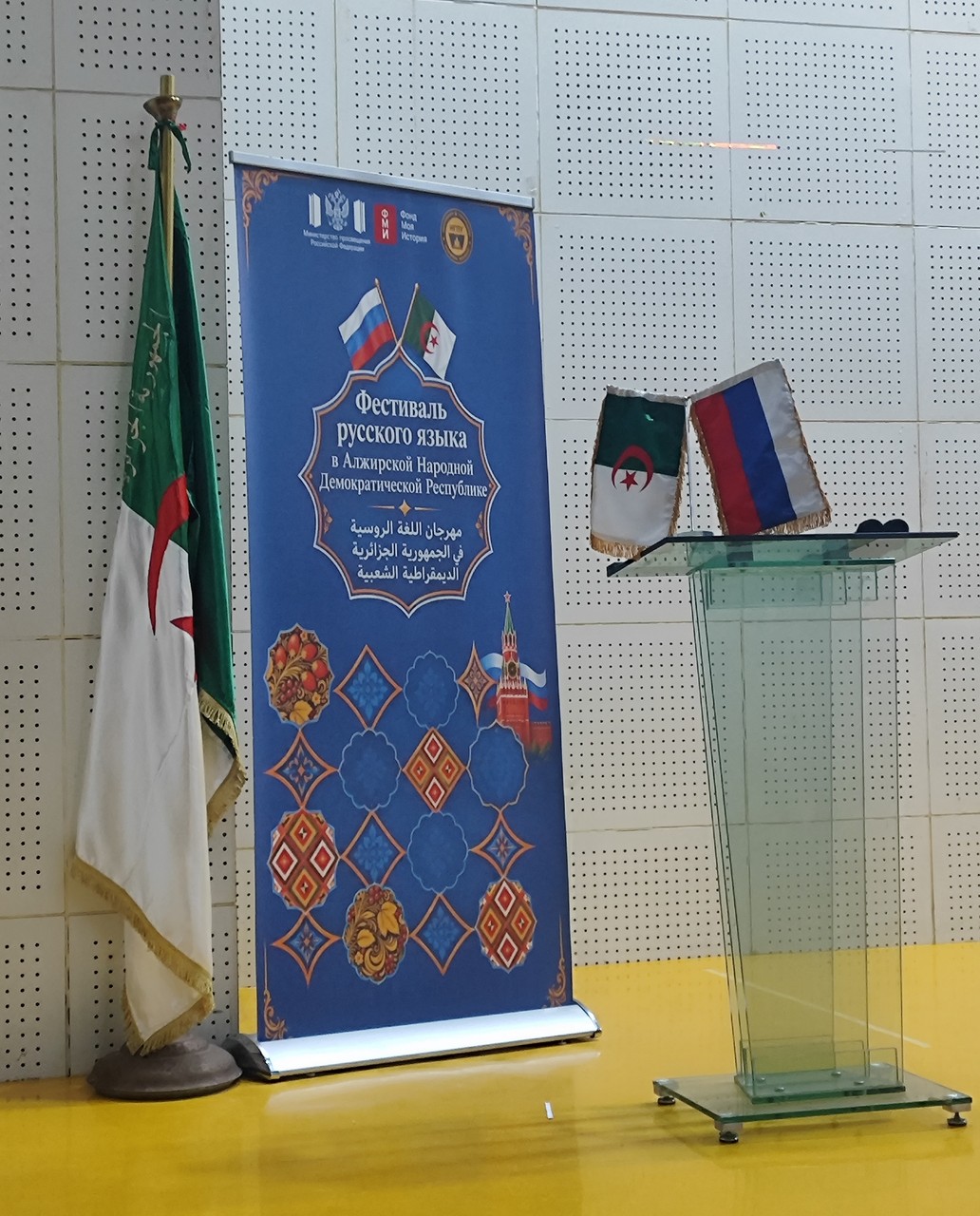
Researchers from the Institute for African Studies presented papers on key topics related to the broader concept of reparative justice. Dr. V. Usacheva addressed the challenges of securing digital, narrative, and cognitive sovereignty in Africa, while E. Abramova examined the role and potential of BRICS in reforming the global governance system. A notable cultural event that preceded the academic seminar was the Russian Language Festival, held at the Department of Turkish and Russian Languages at the University of Algiers 2, in collaboration with the Naberezhnye Chelny State Pedagogical University.
Meeting with the Leadership of the National Liberation Front (FLN)
On November 3, Dr. P. Mamed-zade met with the leadership of the National Liberation Front (FLN) — the country’s largest and most prominent political party, which spearheaded the armed struggle during Algeria’s war for independence from France (1954–1962). The meeting took place at the FLN headquarters.
The discussion with FLN Secretary-General Abdelkarim Benmbarek and other members of the party’s leadership — including Hamid Boucharef, Smail Debbache, Noureddine es-Sadd, Mourad Lamoudi, and Shahrazad Benboulaid, among others — was held in a warm and cordial atmosphere.
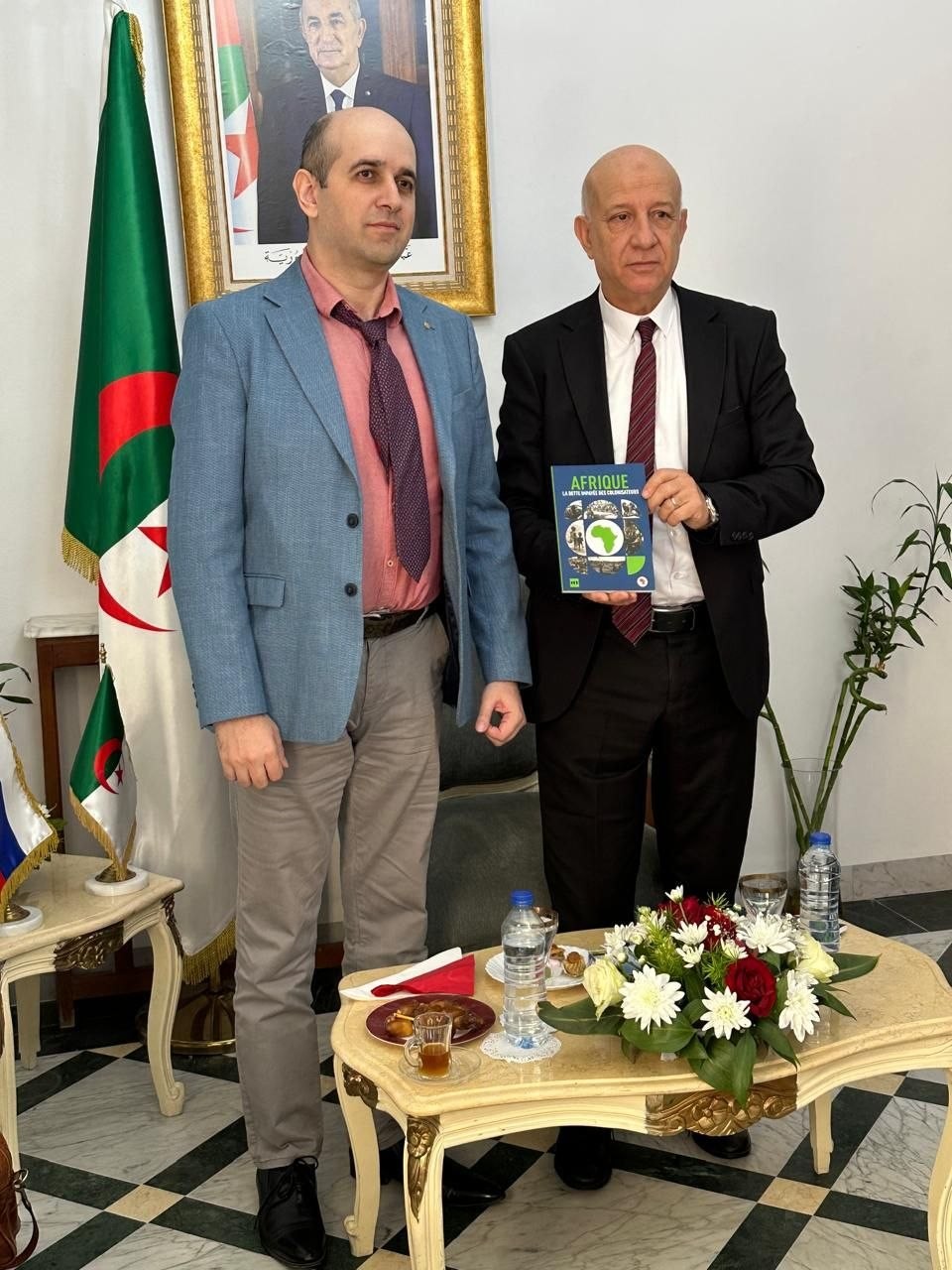
During the conversation, A. Benmbarek highlighted the significance of the visit by the delegation from the Institute for African Studies to Algeria, as well as the importance of collaborative scientific research. He expressed gratitude to the Institute for its interest in the history of the struggle against colonialism and the issue of reparations. Benmbarek also noted that, following the War of Independence, Soviet specialists were involved in clearing landmines across Algerian territory — a contribution that the Algerian people remember with deep appreciation.
Following the meeting, a round table was held, featuring presentations by members of the FLN leadership. In his remarks, Noureddine es-Sadd noted that in 2025, the National People’s Assembly (the lower house of Algeria’s parliament) approved a bill recognizing France’s more than 130-year colonization of Algerian territory as a state crime. The document holds France accountable for its colonial past in Algeria and for the tragedies that this period inflicted upon the Algerian people. Among the crimes of the colonial era, he cited, in particular, extrajudicial executions, physical and psychological torture, the systematic plunder of resources, and nuclear testing.
As Al-Sadd emphasized, France engaged in the demographic colonization of Algerian territory over a long period. Currently, Algeria is not seeking financial reparations from France but rather an official acknowledgment of the crimes committed during more than 130 years of colonial domination. Algeria places great importance on the issue of historical justice, as well as the repatriation of archives, cultural artifacts, and the remains of resistance heroes.
He added that Algeria advocates for an objective assessment of the damage caused by French nuclear tests, which were conducted in southern Algeria during the 1960s. Al-Sadd stressed that the pursuit of historical justice requires joint efforts by scholars from both Algeria and Russia.
Meeting with the Chairperson of the National Council for Human Rights
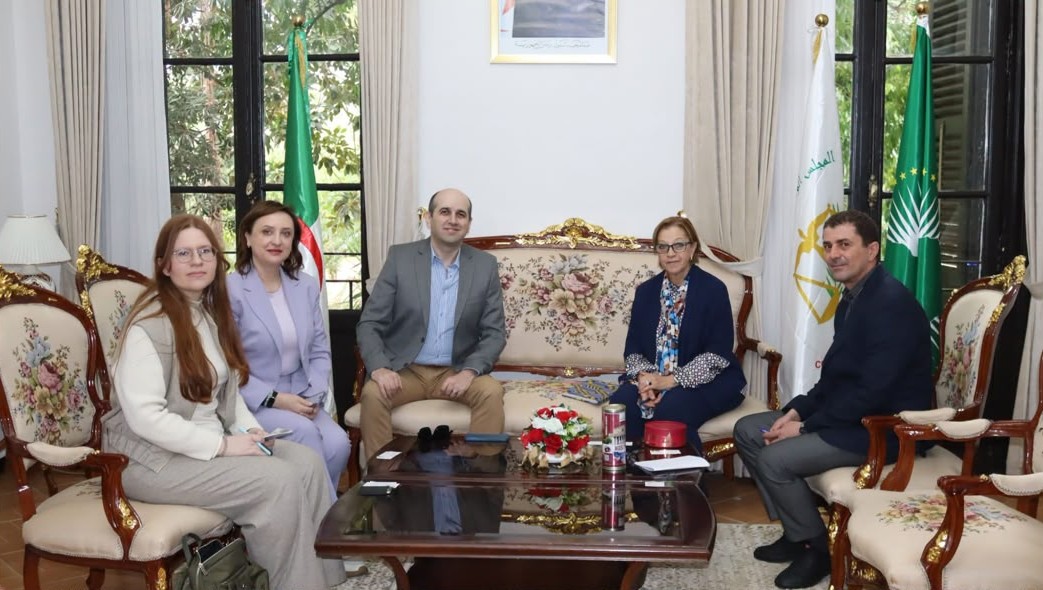
On November 5, a delegation from the Institute for African Studies met with Maya Sahli-Fadel, Chairperson of Algeria’s National Council for Human Rights, at the organization’s headquarters. Matouk Smaoun, Chairperson of the Standing Committee of Algerian Civil Society, also participated in the meeting.
Sahli-Fadel noted that Algeria’s relations with France are complex, with a number of issues of great importance to the Algerian people still unresolved. She pointed out that both the Algerian authorities and the public are insisting on the full repatriation of national archives to their historical homeland, as well as on France’s formal recognition of its colonial-era crimes. Furthermore, Algeria seeks the return of the remains of heroes who resisted French colonialism. Sahli-Fadel also highlighted the lingering consequences of nuclear tests, which continue to affect the health of residents in southern Algeria. She reiterated that Algeria expects Paris to officially acknowledge the crimes committed during the period of colonial rule.
Meetings with Political Scientists, Historians, Legal Experts and Media Representatives
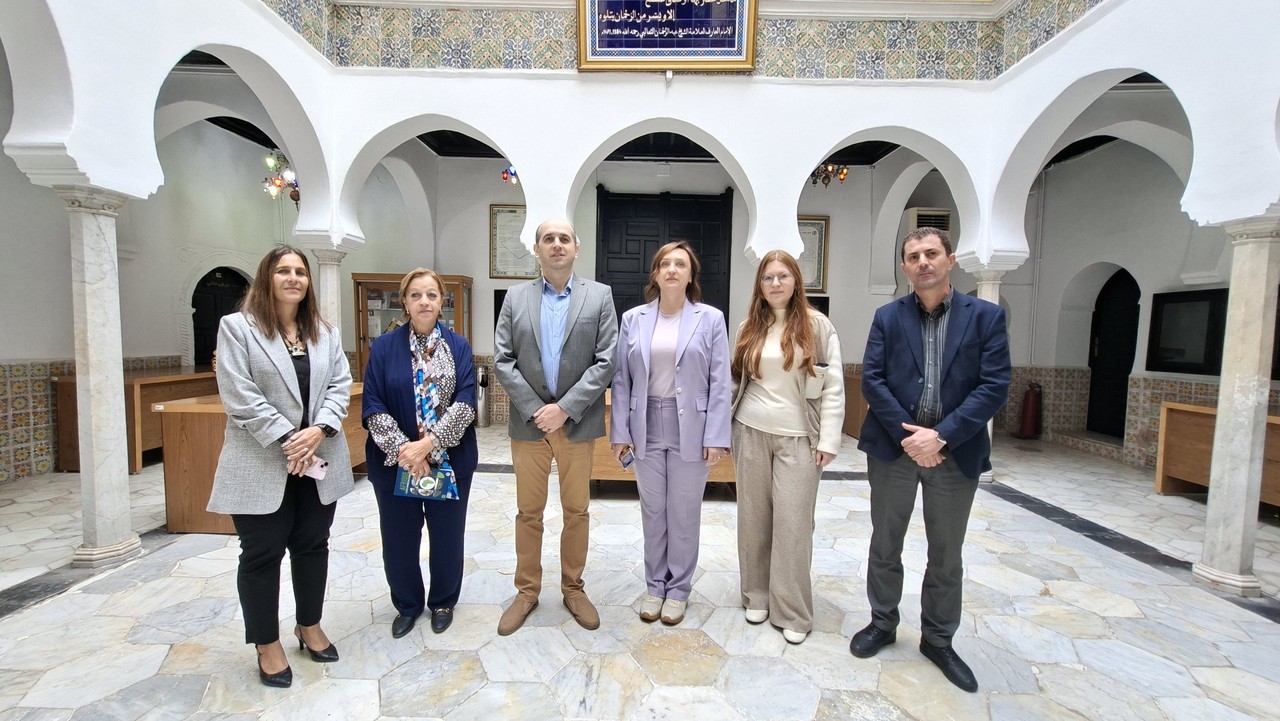
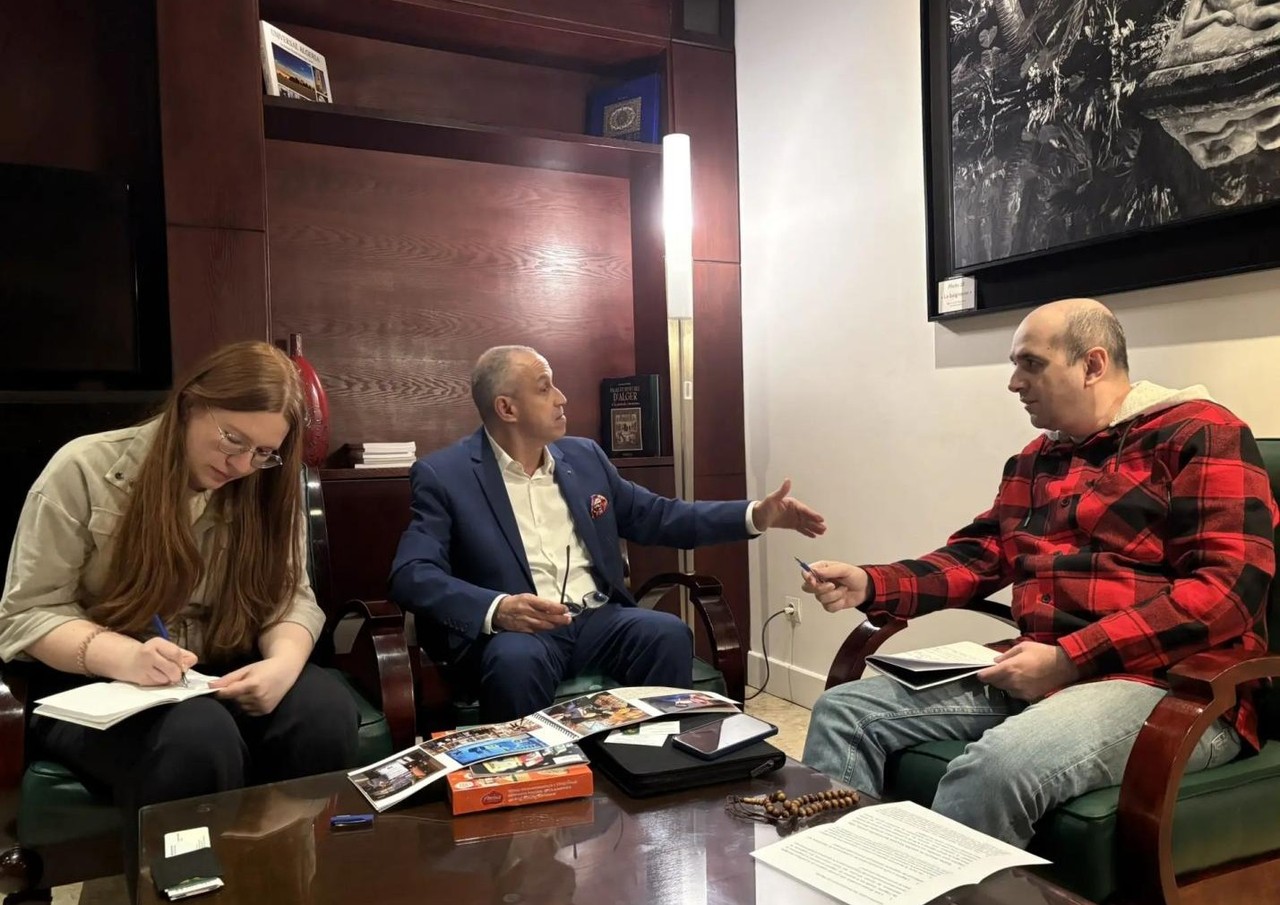
During their stay in Algeria, a delegation from the Institute for African Studies met with several prominent historians (Hosni Kitouni) and political scientists (Arslan Chikhaoui), as well as well-known journalists and media executives (Brahim Taheroubt, Ahmed Kateb, Ryma Rouibi), who shared their assessments regarding the prospects for advancing a reparations agenda. The experts noted the existence of an active lobby in France — comprising influential military officers — that obstructs the transfer to Algeria of colonial-era archives, precise data on the locations of nuclear tests, and other critical, sensitive information. At the same time, they emphasized that Algeria maintains a principled stance and intends to press for Paris to acknowledge the crimes committed during the era of colonial rule.
Samia Bourouba, a consultant for the African Union’s Group of Legal Experts on Reparations (AULER), and Selma Sassi-Safer, Vice-Chair of the African Union Committee of Experts on Reparations (AUCER), discussed the process of drafting documents for the pan-African organization. These documents are intended to provide a legal basis for, and support, claims for compensation for damages inflicted upon African nations during the eras of colonialism and the transatlantic slave trade.
Meeting with Souad Chouiter, Head of the Association of Veterans’ Successors
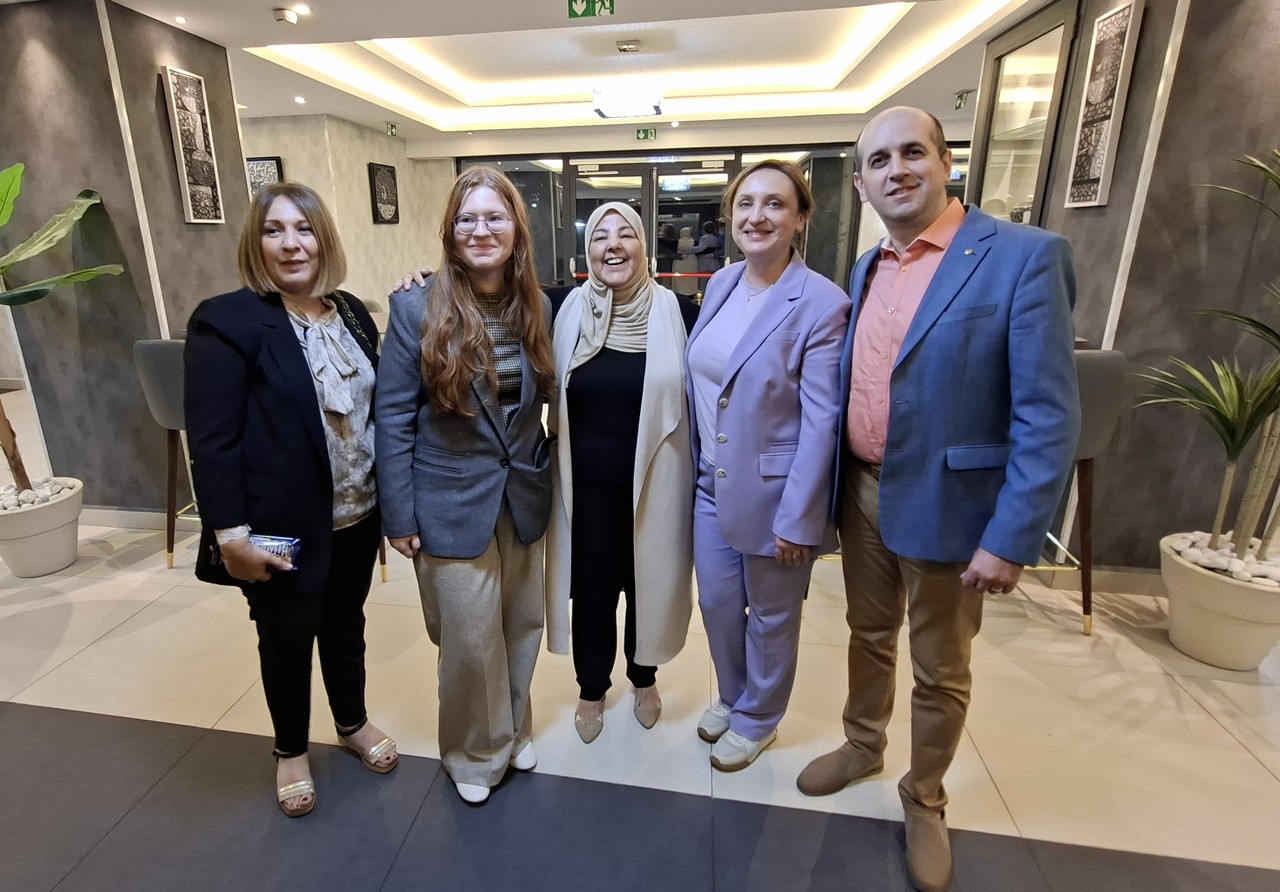
On November 7, the Association of Veterans’ Successors (AVS) hosted a formal reception in honor of a delegation from the Institute for African Studies. The event was part of a series of commemorations marking the 72nd anniversary of the beginning of the Algerian War of Independence. Attendees included descendants of heroes from the anti-colonial liberation struggle, civic activists, prominent diplomats, and former government officials.
Souad Chouiter, Chair of the AVS, welcomed the visit of the Institute for African Studies delegation to Algeria, noting that the interest shown by Russian scholars in studying the anti-colonial struggle would help strengthen humanitarian ties between the two nations. She recalled that Russia, and before it the USSR, supported the Algerian people in their cause to defend historical justice.
Meeting at the Council of the Nation (Upper House of Parliament) of Algeria
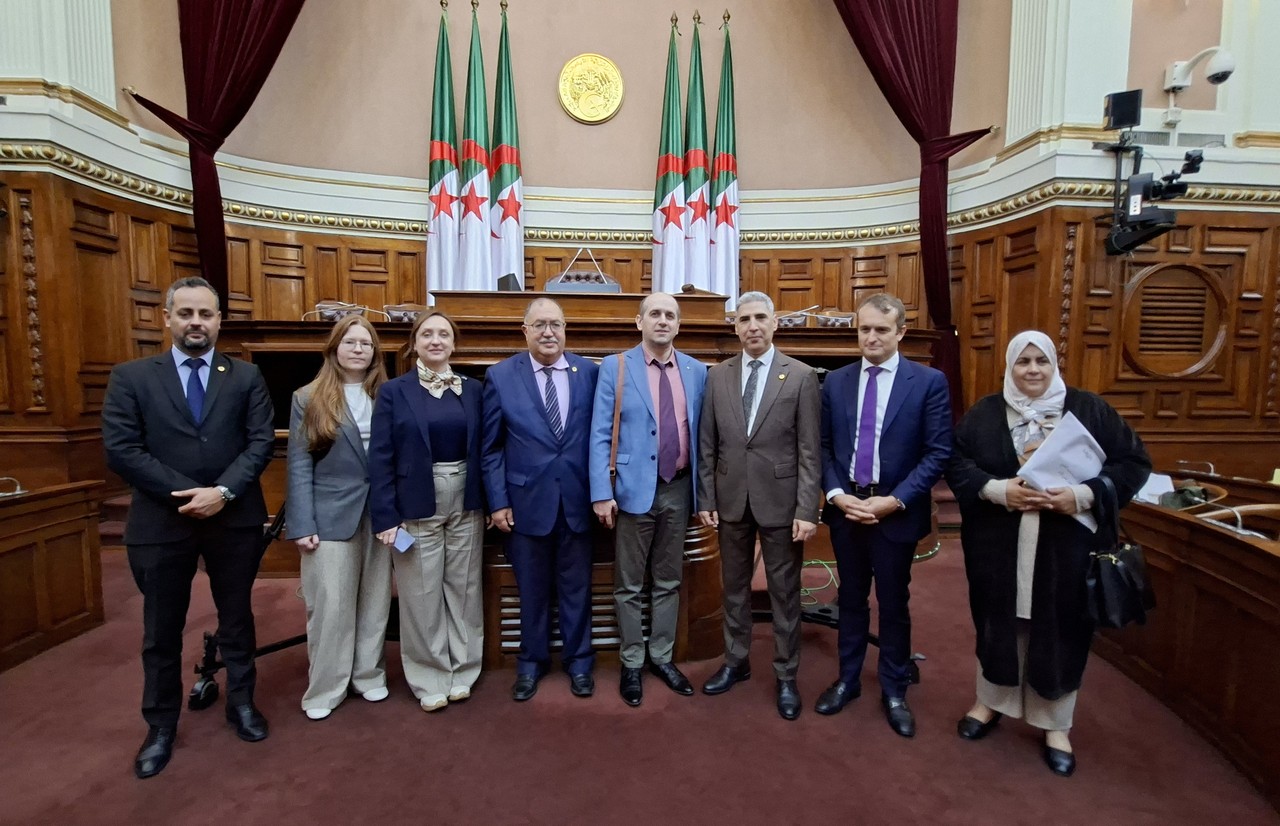
On November 8, a delegation from the Institute for African Studies met with Algerian parliamentarians at the Council of the Nation — the upper house of Algeria’s parliament. The Russian scholars were hosted by, among others, Mohamed Amroun, Chair of the Council of the Nation’s Committee on Foreign Affairs, International Cooperation, and the Algerian Community Abroad, and Mohamed Boukrou, Chair of the Algeria-Russia Parliamentary Friendship Group within the Council of the Nation, along with other members of parliament.
During an official ceremony held in one of the Council of the Nation’s chambers, M. Boukrou emphasized that Algeria and Russia are bound by strong historical ties and a relationship defined by a deep strategic partnership. He noted the excellent prospects for bilateral cooperation in the scientific and humanitarian spheres. According to M. Boukrou, contemporary Russia is home to prominent scholars, specialists, and robust institutions that conduct in-depth studies of Africa in all its diversity.
For his part, M. Amroun highlighted the importance of continuing to examine the crimes of colonialism. He noted that Algeria is a nation that has suffered from every conceivable type of crime committed by colonial occupiers. Amroun pointed out that French colonialism lasted for 132 years — from 1830 to 1962 — but that the crimes of the French colonizers extended even further, as evidenced by the nuclear tests conducted in southern Algeria during the 1960s.
Following the official proceedings, the delegation from the Institute for African Studies was given a tour of the Council of the Nation’s plenary chamber and several other rooms used for formal events.
General Outcomes
During a visit to Algeria from November 1 to 8, 2026, a delegation from the Institute for African Studies held meetings and established contacts with representatives from various fields — including scholars, parliamentarians, human rights advocates, political analysts, journalists, and experts — who specialize in the study of anti-colonial and reparation-related issues.
The discussions revealed a convergence of views between Russian and Algerian scholars and experts, who share similar approaches to evaluating the actions of European colonizers, including those from France. Algerian colleagues from various universities and research centers expressed a readiness to further develop this cooperation, specifically through the implementation of joint academic and research projects on topics of mutual interest.
The Russian Embassy in Algiers and the Algerian Embassy in the Russian Federation provided assistance in preparing and organizing the visit of the delegation of the Institute of African Studies of the Russian Academy of Sciences to Algeria.


